
Crown Lengthening in Montréal: When Your Gums Hide Too Much of Your Smile

At a Glance

  • Who this is for: People in Montréal who feel their smile looks "gummy," or who've been told by their dentist they need more tooth exposed before a crown or filling can be placed.
  • What this answers: What crown lengthening is, the two main reasons it's done, what the procedure and recovery involve, and how to know if you're a candidate.
  • Where we are: Dr. Thomas Nguyen's periodontal office at 2502 Rue Jean-Talon E in Montréal, serving Westmount, Outremont, and Downtown.

Feeling Like Your Gums Steal the Show

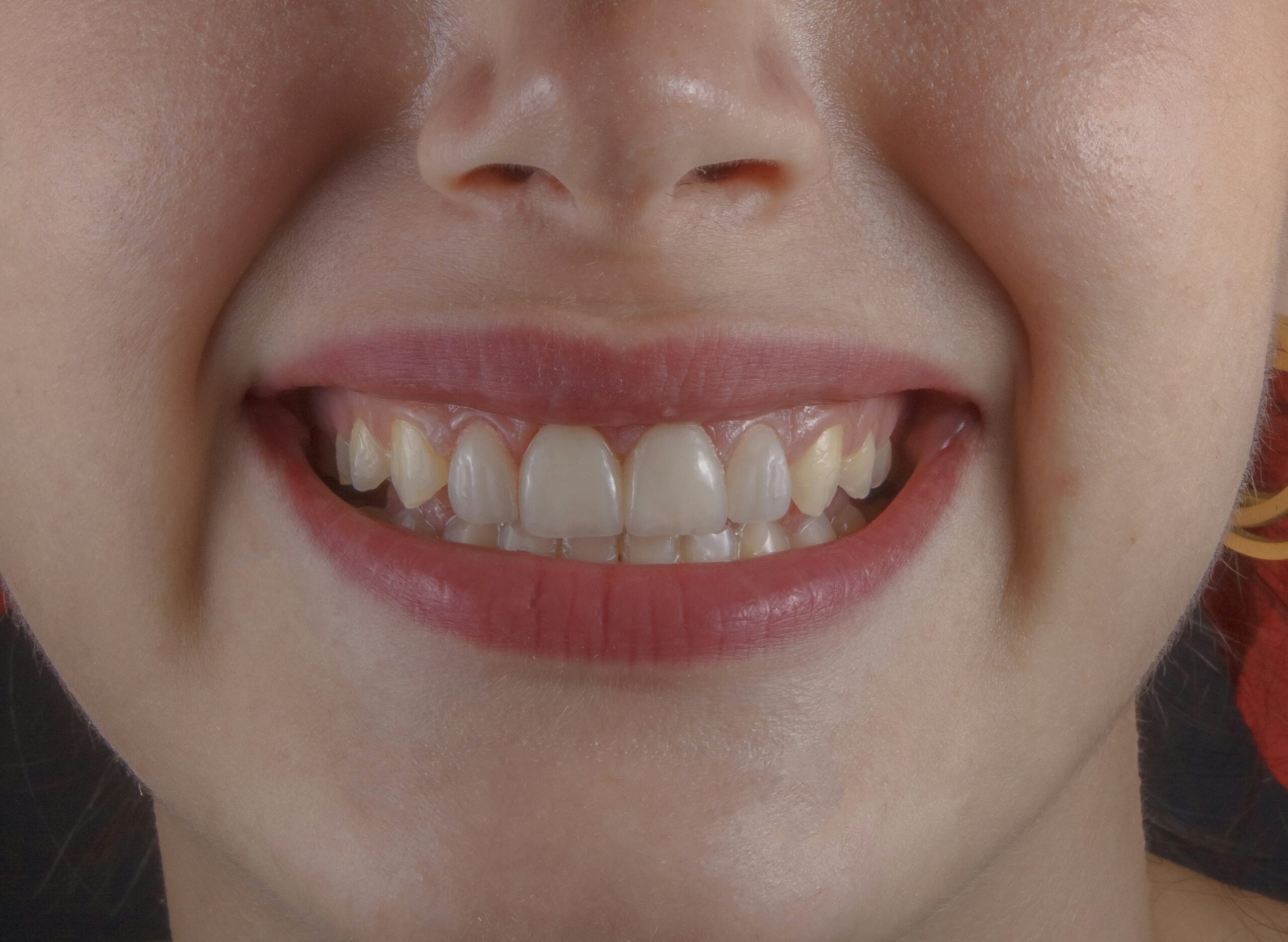
If you've ever looked at a photo and felt like your gums show more than your teeth, you're not alone. A "gummy smile" is common, and it can make people hold back when they laugh or cover their mouth without thinking. The teeth may be perfectly healthy underneath — they're just hidden by a little too much gum tissue.

The good news is that this is a well-understood, treatable situation. Crown lengthening is a cosmetic periodontal procedure that gently reveals more of the natural tooth, bringing balance back to your smile. Dr. Thomas Nguyen, a board-certified periodontist, performs this treatment for patients across Montréal who want either a more confident smile or the healthy foundation needed for restorative dental work.

What Is Crown Lengthening?

Crown lengthening is a minor surgical procedure that reshapes gum tissue — and sometimes a small amount of underlying bone — to expose more of a tooth's crown. Think of it like uncovering a pearl that's been set a little too deep in its setting: the pearl was always there, it just needed room to be seen.

There are two main reasons this procedure is performed, and they serve very different goals:

  • Cosmetic crown lengthening addresses a gummy smile. By carefully removing excess gum tissue, more of each tooth becomes visible, and the teeth look longer and more proportionate.
  • Functional crown lengthening creates enough healthy tooth structure for a restoration. If a tooth is broken near the gumline or a cavity extends below the gums, your dentist needs more surface to work with before placing a crown or filling.

Both versions are done with precision, and modern periodontal care gives us options in how they're performed. Some cases suit a traditional scalpel technique, while others can be handled with dental lasers, which tend to be gentler on soft tissue and can improve comfort during healing. During your consultation, Dr. Nguyen will explain which approach fits your specific anatomy and goals.

Why Do People Choose Crown Lengthening?

The reasons patients pursue this treatment usually fall into three categories, and often a single case touches more than one.

For a more balanced smile. When teeth appear short and the gums dominate, crown lengthening can restore natural proportions. Many patients tell us they simply want to feel comfortable smiling in photos, at work, or at family gatherings — a universal wish in a city as social as Montréal.

To make restorative dentistry possible. A crown or bridge needs a solid margin of healthy tooth to hold onto. When there isn't enough exposed structure, a restoration can loosen, leak, or trap bacteria at the edges. Creating proper access first gives that new crown a much better chance of lasting.

To support better oral health. Excess or uneven gum tissue can create pockets that are hard to keep clean. Reshaping the gumline can make brushing and flossing easier in that area, which helps reduce the risk of decay and irritation over time. This is one reason periodontal specialists view the procedure as more than cosmetic.

What to Expect: Procedure, Recovery, and Timeline

Understanding each step tends to ease a lot of the anxiety patients feel before periodontal surgery, so here's what the process generally looks like.

The Consultation

Everything starts with an evaluation. Dr. Nguyen examines your gums, teeth, and bite, and typically reviews imaging to understand what's happening below the surface. This is also when you talk through your goals — whether that's a more even smile or preparing a tooth for a crown. Because every mouth is different, this planning stage matters as much as the surgery itself.

The Procedure Itself

Crown lengthening is performed under local anesthesia, so the area is fully numb. Dr. Nguyen carefully removes the excess gum tissue, and if the case calls for it, reshapes a small amount of bone to achieve the right proportions. Sutures may be placed to help the gums heal into their new position. Most patients are surprised by how manageable the appointment feels.

Recovery Process

Healing happens in stages. In the first few days, mild swelling and tenderness are normal, and most people return to their usual routine fairly quickly while avoiding strenuous activity for a short period. A soft diet for roughly the first week and gentle oral hygiene around the treated area help things settle.

Phase General Timeline What to Expect
Initial recovery 1–3 days Swelling and tenderness peak, then ease
Early healing 1–2 weeks Discomfort resolves; soft foods recommended
Full gum maturation 2–3 months Gums stabilize into their final shape
Bone remodeling (if bone was reshaped) Up to 6 months Complete stabilization in more complex cases

You'll notice a visible difference in your smile right away, even though the gums continue to mature underneath over the following weeks. For functional cases, your dentist will usually wait until the tissue is stable before placing the permanent crown — the American Academy of Periodontology🔗 notes healing timelines vary by location in the mouth.

Cost and Investment

Cost depends on how many teeth are involved and how complex the case is — a single tooth prepared for a crown is very different from reshaping several teeth for cosmetic balance. Rather than a one-size-fits-all figure, Dr. Nguyen provides a clear estimate after evaluating your specific situation. Many patients find it helpful to think of the procedure as a long-term investment in both comfort and confidence.

Crown Lengthening for Montréal Residents

Conveniently located at 2502 Rue Jean-Talon E, our Montréal office welcomes patients from Westmount, Outremont, and Downtown Montréal. A confident smile matters everywhere, and in a city as diverse and social as ours, feeling good about the way you look when you speak and laugh makes a real difference in daily life.

Choosing a periodontal specialist for this kind of gum reshaping is worth doing carefully. You can learn more about Dr. Nguyen's background and board certification on our about page🔗, which explains the specialized training that sets periodontal surgery apart from general dental care.

Frequently Asked Questions

Q: Is crown lengthening painful?

A: The procedure itself is done under local anesthesia, so you shouldn't feel pain while it's happening. Afterward, most patients experience mild discomfort and some swelling for a few days, which is usually well managed with recommended pain relief and a soft diet.

Q: How long does the procedure take?

A: A single-tooth functional case can often be completed fairly quickly, while cosmetic cases involving several teeth take longer. Dr. Nguyen will give you a time estimate at your consultation once he knows the scope of your treatment.

Q: Will my gums grow back to where they were?

A: When crown lengthening is done properly by a periodontist, the reshaped gumline is designed to be stable and long-lasting. The gums heal into their new position rather than returning to the original level.

Q: Is this the same as a gum graft?

A: No — they're essentially opposite procedures. Crown lengthening removes tissue to expose more tooth, while a graft adds tissue to cover roots that have receded. If receding gums are your concern, our post on gum grafting🔗 explains that treatment in detail.

Q: What's the difference between cosmetic and functional crown lengthening?

A: Cosmetic crown lengthening improves the appearance of a gummy smile, while functional crown lengthening exposes enough tooth structure for a dentist to place a crown or filling. The surgical technique overlaps, but the goal is what differs.

Q: How do I know if I'm a candidate for crown lengthening in Montréal?

A: The best way is a professional evaluation. If you feel your teeth look short, your gums show heavily when you smile, or your dentist has said a tooth needs more structure before restoration, you may be a good candidate. An exam with Dr. Nguyen will confirm what's right for you.

Ready to See More of Your Smile?

If you've been holding back because of a gummy smile, or your dentist has told you a tooth needs more exposure before restorative work, crown lengthening may be the answer. There's no pressure — just a clear conversation about your options and what results you can realistically expect.

When you're ready, you can schedule a consultation🔗 with Dr. Thomas Nguyen at our Montréal periodontal office and take the first step toward a smile that feels like yours.

Sinus Lift Surgery for Dental Implants: Building Bone Where You Need It

Sinus Lift Surgery in Montréal: Building a Strong Foundation for Dental Implants

At a Glance

Who this is for: Patients in Montréal who want dental implants in the upper back jaw but have been told they don’t have enough bone.

  • What it answers: What a sinus lift is, why it’s needed before implants, what the procedure and recovery involve, and how to know if you’re a candidate.
  • Where: With Dr. Thomas Nguyen, a board-certified periodontist focused on bone augmentation, at his clinic on Rue Jean-Talon E in Montréal.

You Want an Implant, But Your Jaw Needs a Little Help First

You’ve decided to replace a missing upper back tooth with a dental implant. It’s a smart, lasting choice. Then your dentist mentions you may need a “sinus lift” first, and suddenly the plan feels more complicated than you expected.

This is one of the most common questions we hear from patients considering implants in the upper jaw. A sinus lift isn’t a complication or a sign something went wrong. It’s a preparation step that gives your future implant the solid bone it needs to last for years.

  1. Dr. Nguyen performs this precise preparation as part of comprehensive implant planning for patients across Montréal. Understanding what it involves usually takes most of the worry away.

What Exactly Is a Sinus Lift?

Your maxillary sinuses are air-filled spaces in your cheekbones, sitting just above the roots of your upper back teeth. There’s normally a thin layer of bone separating the floor of the sinus from your tooth roots. When everything is healthy, you never notice it. A sinus lift (also called sinus augmentation) is a surgical procedure that adds bone to the upper jaw in the area of the molars and premolars, creating enough height to anchor a dental implant. The reason this becomes necessary is simple anatomy. After a tooth is lost, the jawbone in that area begins to shrink, and the sinus tends to expand downward into the empty space. Over time, that leaves too little bone to securely hold an implant.

Think of it like preparing the ground before building. You wouldn’t pour a heavy concrete wall onto soft, shallow soil. You’d build up a firm, deep foundation first. A sinus lift does exactly that for your implant.

Why Would I Need a Sinus Lift?

Bone loss in the upper back jaw happens faster and more severely than in most other areas of the mouth. Studies show that roughly 50% of ridge width🔗 can be lost within the first year after a tooth is removed, with most of that happening in the first three to six months. In the upper back jaw, this is made worse by the sinus gradually expanding into the space.

A sinus lift may be recommended in situations like these:

  • Significant bone loss from long-term tooth absence or past gum disease
  • A maxillary sinus that naturally sits low, leaving limited bone beneath it
  • Planning for one or more implants in the upper molar or premolar region
  • Wanting to maximize the long-term stability of an implant rather than risk placing it in thin bone

The goal is always the same: enough healthy bone so the implant can fuse securely and function like a natural tooth root. If you’re still weighing your tooth-replacement options, our overview of dental implants explains how the foundation and the implant work together.

The Sinus Lift Procedure: What to Expect on Procedure Day

For most patients, a sinus lift is an outpatient procedure done under local anesthesia. Sedation options are available if you feel anxious, and Dr. Nguyen will discuss what makes sense for your comfort during your consultation.

The general steps are straightforward. Dr. Nguyen makes a small incision to access the bone, gently lifts the sinus membrane to create space, places the bone graft material underneath, and closes the area with sutures. From there, your body does the rest of the work as new bone forms.

Recovery, Healing, and the Timeline to Your New Tooth

Most patients are pleasantly surprised by how manageable recovery is. Mild swelling and discomfort are normal in the first few days and usually settle within a week, with most people back to their regular routine by the second week.

In the days after surgery, you’ll be asked to eat soft foods, avoid blowing your nose forcefully, and stay away from pressure on the area so the graft can settle undisturbed. Smoking significantly delays healing and raises the risk of graft failure, so avoiding it during this period is one of the most important things you can do.

The graft itself needs time to mature into solid bone. Healing typically takes 4 to 9 months before the area is ready for an implant, with smaller grafts maturing faster and larger ones taking longer. Individual healing varies, so your timeline is one of the things Dr. Nguyen monitors directly.

In some cases where enough bone already exists, the implant can be placed at the same time as the sinus lift. In others, the two are staged into separate appointments to give the graft time to integrate first. Both approaches are well-established, and the decision comes down to your specific anatomy.

Choosing a Specialist for Sinus Lift Surgery in Montréal

A sinus lift sits at the intersection of surgery and detailed anatomy, which is why it’s best handled by a periodontist with specific training in bone augmentation. Periodontists like Dr. Nguyen focus on the supporting structures of the teeth — the bone and gums — and perform these procedures regularly.

Technique matters here. The most common issue during a sinus lift is a small tear in the sinus membrane, and an experienced surgeon manages or avoids this with careful planning and gentle handling. When done well, the procedure is highly predictable for rebuilding bone in the upper back jaw.

For patients here in Montréal, having a local specialist means your imaging, surgery, and follow-up care all happen close to home. Dr. Nguyen’s clinic on Rue Jean-Talon E is accessible to residents across the city, including Westmount, Outremont, and Downtown Montréal. You can learn more about his background and approach to advanced periodontal treatments before booking.

Frequently Asked Questions About Sinus Lifts

Q: Is a sinus lift painful?

A: The procedure itself is done with local anesthesia, so you shouldn’t feel pain during it. Afterward, most patients describe mild soreness and swelling similar to other minor oral surgeries, managed comfortably with over-the-counter or prescribed medication. Discomfort usually eases within a few days.

Q: What are the risks of a sinus lift?

A: The most common issue is a small tear in the sinus membrane, which a surgeon can typically repair during the same appointment. Serious complications are relatively uncommon in experienced hands, and overall success rates for the procedure are high. Smokers and patients with uncontrolled diabetes face a somewhat higher risk, which is one reason a thorough health review comes first.

Q: How will I know if I definitely need a sinus lift?

A: The definitive way to know is a 3D scan, such as a CBCT, which shows exactly how much bone height you have beneath the sinus. Dr. Nguyen uses this imaging during your consultation to confirm whether a sinus lift is needed and, if so, which technique fits best.

Q: Can I get the implant on the same day?

A: Sometimes. If you have enough existing bone to hold the implant stable, it may be placed during the same surgery. If not, the implant is placed after the graft has had time to mature, usually several months later.

Q: How much does a sinus lift cost in Montréal?

A: Cost depends on factors like the complexity of your case, the type of graft material used, and whether sedation is involved. Because every situation is different, the most accurate way to understand your investment is a personalized assessment. Our office can also help you review what your dental benefits may cover.

Ready to Build a Solid Foundation for Your Smile?

A sinus lift is what makes a strong, lasting implant possible when bone is in short supply. It turns a “you don’t have enough bone” answer into a clear path forward toward replacing your missing tooth.

If your dentist has mentioned a sinus lift, or you’re simply exploring implants and want to know your options, the next step is a personalized evaluation. Schedule a consultation at Dr. Nguyen’s Montréal office🔗 to get a clear, individualized plan based on your own anatomy and goals.

Gum Grafting Surgery: Restoring Receded Gums and Protecting Your Teeth

Gum Grafting Surgery in Montréal: A Guide to Restoring Receded Gums and Protecting Your Teeth

At a Glance

This guide is for Montréal residents dealing with gum recession, tooth sensitivity, or teeth that suddenly look longer than they used to. It explains what gum grafting is, why it matters, what the procedure and recovery involve, and how it protects your long-term oral health. Dr. Thomas Nguyen, a board-certified periodontist, provides this specialized care at his clinic on Rue Jean-Talon E in Montréal.

Why Are My Gums Receding?

You take a sip of cold water and feel a sharp twinge near the gumline. Or you notice in the mirror that one tooth looks a little longer than its neighbours. These small changes are easy to brush off, but they often point to gum recession, and they tend to cause real worry once you spot them.

Gum recession is one of the most common reasons patients are referred to a periodontist. It happens gradually, which is why many people don’t notice it until sensitivity sets in or the change becomes visible. The good news is that it’s both common and treatable. Once the gum tissue pulls away from a tooth, it won’t grow back on its own, but a gum graft can cover the exposed area, calm the sensitivity, and stop the process from getting worse.

Dr. Nguyen treats gum recession regularly here in Montréal, and the goal of this article is simple: to explain what’s happening, what your options are, and what to expect if a graft is recommended.

What Exactly Is a Gum Graft?

A gum graft is a surgical procedure that moves healthy gum tissue to an area where the gums have worn away, covering the exposed part of the tooth and rebuilding the gumline.

Think of it like re-sodding a bare patch on a lawn. The exposed soil is vulnerable to damage, but once new turf is laid over it, the area is protected and able to recover. A gum graft does the same thing for your tooth root, shielding a part of the tooth that was never meant to be exposed.

The tissue used for a graft can come from a few sources. Most often it’s taken from the roof of your own mouth (the palate), which integrates well because it’s your own tissue. In some cases, processed donor tissue can be used instead, which avoids a second surgical site. Dr. Nguyen will recommend the approach that fits your specific situation, the amount of recession involved, and your comfort.

Key Reasons to Consider Gum Grafting

Gum grafting isn’t only about appearance. Most of its benefits are protective, addressing problems that quietly progress when exposed roots are left untreated.

Relief from sensitivity. When the gum recedes, it exposes the tooth root, which doesn’t have the hard enamel coating that protects the rest of the tooth. That’s why hot coffee, cold water, or sweet foods can trigger sharp discomfort. A graft covers the root again and gives you a lasting barrier against that everyday pain.

Protection against decay and tooth loss. Exposed roots are softer and far more prone to decay than enamel-covered surfaces. Recession can also expose the tooth to bone loss over time, loosening it. Covering the root with a graft is a preventive step that helps keep the tooth stable and healthy.

A more balanced smile. Recession often makes teeth look longer and the gumline uneven. Restoring the tissue can bring back a more symmetrical, natural appearance, which many patients appreciate once the protective work is done.

Support for overall gum health. Recession frequently goes hand in hand with periodontal disease. Treating it is part of keeping the supporting structures around your teeth healthy and slowing the progression of gum problems.

What to Expect During the Procedure

Knowing what’s involved tends to ease most of the anxiety patients feel. The process is straightforward and done on an outpatient basis.

It begins with a consultation. Dr. Nguyen examines your gums, measures how much recession has occurred, and reviews the cause, whether that’s aggressive brushing, grinding, genetics, or gum disease. This step matters, because addressing the underlying cause is what keeps recession from returning. He’ll then walk you through which approach suits your case.

The surgery itself is usually performed under local anesthesia, so the area is fully numb and you stay awake and comfortable. Most procedures take roughly one to two hours, depending on how many teeth are being treated. In simple terms, Dr. Nguyen prepares the area around the exposed root, positions the graft tissue, and secures it in place with fine sutures so it can heal and integrate.

Are There Less Invasive Options?

For patients with mild to moderate recession, a minimally invasive approach called the Pinhole Surgical Technique (PST) is sometimes an option. Instead of cutting and suturing donor tissue, the periodontist makes a tiny entry point and gently repositions your existing gum tissue over the exposed root, stabilizing it with small collagen strips. Because there are no incisions or sutures, recovery is often quicker.

The Pinhole Surgical Technique works best when the gum tissue is still pliable enough to be moved, and it isn’t suitable for every case (PST overview🔗). The table below compares the two approaches at a glance.

Aspect Traditional Gum Graft Pinhole Technique (PST)
Incisions & sutures Required None
Tissue source Palate or donor tissue Your existing gum tissue
Best suited for Mild to severe recession Mild to moderate recession
Typical recovery About 1–2 weeks Often a few days
Teeth per session Usually 1–2 Multiple possible

Whether either option is right for you depends entirely on your individual case, which is something Dr. Nguyen will assess during your consultation.

Recovery and Aftercare

Healing after a gum graft is usually smoother than patients expect, especially when post-operative instructions are followed closely.

In the first few days, some swelling and mild discomfort are normal, and these are typically managed well with over-the-counter pain relief. You’ll likely be given a special antimicrobial rinse to keep the area clean, and you’ll want to stick to soft, cool foods while the graft settles. Avoid disturbing the surgical site with vigorous brushing or chewing on that side.

Over the following couple of weeks, the new tissue begins to integrate with the surrounding gum. If non-dissolving sutures were used, they’ll be removed at a follow-up visit. Most people return to office work within a day or two, though Dr. Nguyen may advise holding off on strenuous activity a little longer.

Long-term, the key to protecting your results is gentle, consistent care. A soft-bristled brush, careful flossing, and regular checkups all help maintain the graft and guard against future recession. If overly hard brushing contributed to the problem, your hygienist can show you a gentler technique.

Understanding the Cost in Québec

It’s natural to wonder about cost, and while exact figures depend on your specific case, a few general points apply. The total depends largely on how many teeth need treatment and the complexity involved. A single-tooth graft is a simpler procedure than one covering several recession sites.

Because gum grafting is a surgical periodontal procedure, it’s often partially covered by private dental insurance. Coverage varies between plans, so it’s worth checking your specific benefits, and our team can help you understand what your provider may cover. It helps to think of a graft as an investment in keeping your natural teeth, since untreated recession can eventually lead to far more involved and costly treatments like extractions or implants.

Expert Periodontal Care in Montréal

Gum grafting is a specialized procedure, and seeing a periodontist who performs it regularly makes a real difference in both comfort and outcome. Dr. Thomas Nguyen is a board-certified periodontist focused on this kind of care.

The clinic is conveniently located at 2502 Rue Jean-Talon E, serving patients from across the city, including Rosemont–La Petite-Patrie, Villeray–Saint-Michel–Parc-Extension, and the surrounding neighbourhoods. Having access to specialized periodontal treatment in Montreal🔗 means you can address gum recession early, before it progresses, and you can learn more about gum recession itself through the Canadian Dental Association🔗.

Frequently Asked Questions

Q: Is gum grafting painful? A: The procedure itself is done under local anesthesia, so you shouldn’t feel pain during it. Afterward, most patients experience only mild discomfort and some swelling, which is usually well managed with over-the-counter pain relief and the rinse provided.

Q: How long does the surgery take? A: A typical gum graft takes about one to two hours, depending on how many teeth are being treated and the complexity of the case.

Q: Will my insurance cover a gum graft in Montréal? A: As a surgical periodontal procedure, gum grafting is sometimes partially covered by private dental plans, though coverage varies. It’s best to check directly with your provider, and our office can help you with the details.

Q: Are there alternatives to a traditional gum graft? A: For milder cases, options may include the Pinhole Surgical Technique or, when sensitivity is the only concern, desensitizing treatments and bonding agents. The right choice depends on the severity and cause of your recession, which Dr. Nguyen will assess at your consultation.

Q: How soon can I return to normal activities? A: Most patients return to desk work within a day or two. You’ll want to ease back into strenuous exercise and follow the soft-food guidance during the early healing period.

Q: Can receded gums grow back without treatment? A: No. Once gum tissue recedes, it does not regenerate on its own, which is why a graft is the reliable way to cover the exposed root and protect the tooth.

Take the Next Step Toward Healthier Gums

If you’ve noticed sensitivity, longer-looking teeth, or an uneven gumline, the best time to act is before the recession progresses further. To explore your options and protect your smile, you can schedule a consultation🔗 with Dr. Thomas Nguyen at our Montréal office.