
Receding Gums in Westmount: Why Early Gum Grafting Prevents Tooth Loss

At a Glance

  • Gum tissue does not grow back on its own. Once it recedes, only treatment like a gum graft can rebuild that protective layer.
  • Untreated recession can lead to root cavities, bone loss, loose teeth, and eventually tooth loss.
  • Early gum grafting has a higher success rate than waiting until recession is severe. This guide is for patients in Westmount, Outremont, and Downtown Montréal noticing longer-looking teeth or new sensitivity.

If you have looked in the mirror lately and thought your teeth seem a little longer than they used to, you are not imagining it. Receding gums tend to creep in slowly, often without pain, which makes them easy to ignore. Many patients in Westmount and Outremont tell us they first noticed a twinge of sensitivity to cold, or a dark notch near the gumline, before realizing anything was wrong.

It is tempting to wait and see, especially when nothing hurts. But recession is one of those problems that quietly gets worse. The good news: acting early with a gum graft is the most reliable way to protect the tooth underneath and avoid losing it down the road.

What Happens When Gums Recede?

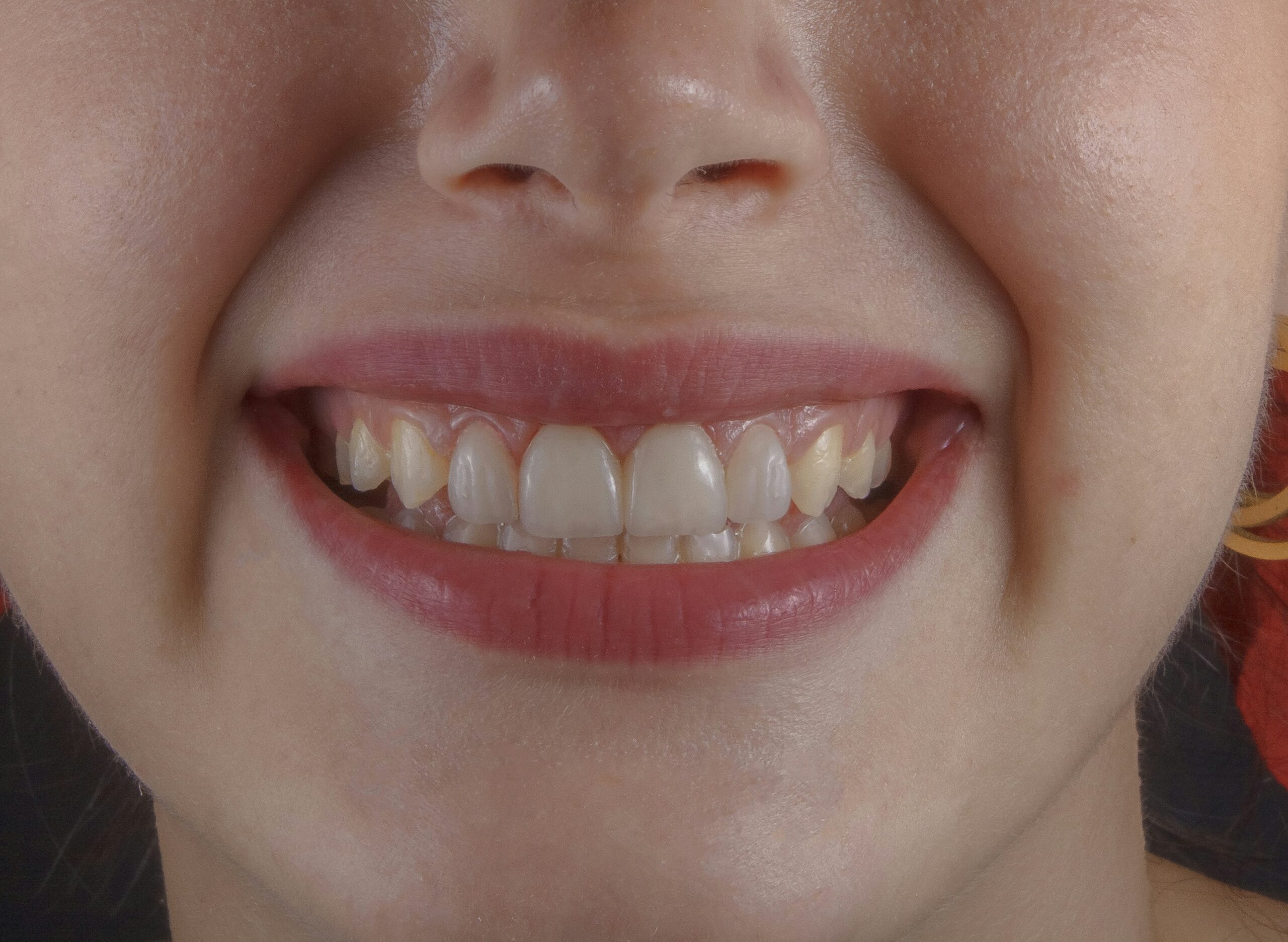
Gum recession happens when the gum tissue surrounding a tooth pulls back or wears away, exposing more of the tooth and eventually the root. Each tooth has two parts: the crown, which is covered in hard protective enamel, and the root, which sits below the gumline and has no enamel at all.

When gums recede, that vulnerable root surface is left exposed. The root is softer, more sensitive, and far less able to defend itself against decay and wear.

Recession is common. In one U.S. study, about 58% of adults ages 30 to 90 had at least 1 mm of gum recession, and global estimates run even higher. So if your dentist has flagged it, you are far from alone.

The key thing to understand is that recession is almost always a symptom of something else. The usual culprits include gum disease, brushing too hard, teeth grinding, and genetics. Pinpointing that underlying cause matters, because fixing the gums without addressing the trigger often leads the problem to return.

How Gum Recession Leads to Tooth Loss

Recession rarely stays still. Left alone, it tends to follow a predictable path: exposed root, then root decay, then bone loss, then loosening, and finally tooth loss. Understanding that chain is the best reason to take early recession seriously.

The first threat is decay. Root cavities form faster than cavities on enamel because the root has no hard outer shell to slow bacteria down. A small exposed root surface can develop a cavity in months rather than years.

The deeper threat is bone loss. When recession is driven by periodontal disease, the jawbone that anchors the tooth is often melting away alongside the gum. This is where recession stops being cosmetic and becomes a structural problem. As bone disappears, the tooth loses its foundation, begins to feel loose, and can eventually fall out or require extraction.

Because recession and gum disease are so closely linked, it helps to understand how the condition progresses from mild inflammation to serious damage. Our guide to the stages of gum disease🔗 walks through how gingivitis can advance into bone-destroying periodontitis.

Why Waiting to Treat Receding Gums Is Risky

The most common instinct is to watch and wait. The reasoning feels sensible: it does not hurt, it is not an emergency, so why rush into surgery? The problem is that this strategy quietly works against you.

Here is the hard truth: gum tissue does not regenerate. Unlike a cut on your skin, lost gum does not grow back once it is gone. Every month of recession is permanent ground that cannot be reclaimed on its own.

Waiting also makes treatment harder. When recession is shallow and the supporting bone is still intact, grafting results are far more predictable. As the defect deepens, the odds of fully covering the root drop and more donor tissue is needed.

Recession stage Expected grafting outcome
Early, shallow recession Highest chance of full root coverage and stable results
Moderate recession Often successful, but complete coverage less certain
Severe recession with bone loss Usually partial improvement rather than full coverage

Gum grafts routinely succeed in over 90% of well-selected cases, but that number reflects early intervention. Once interdental bone is lost, complete root coverage is generally not predictable, even with skilled surgery. In short, the sooner you treat recession, the more your periodontist can do for you.

How Early Gum Grafting Stops the Damage

A gum graft is a procedure that adds healthy tissue to an area of recession to rebuild the protective band of gum around a tooth. The goal is simple: cover the exposed root, halt the recession, and create a stable foundation that resists future breakdown.

A gum graft is a periodontal procedure that places new tissue over an exposed or receding root to stop recession and protect the tooth. When done early, the benefits stack up quickly. Thinner, earlier defects typically mean less post-operative discomfort, faster healing, and better aesthetic blending because there is less tissue to rebuild. Patients also tend to notice their cold sensitivity disappear once the root is covered.

Most importantly, an early graft protects the bone before it starts to disappear, which is the single biggest factor in keeping a tooth for life. If you want a closer look at the procedure itself, our detailed overview of gum grafting surgery🔗 covers what to expect step by step.

Preventing Further Gum Recession

A graft repairs the damage already done. Prevention protects everything going forward, and it usually comes down to removing whatever caused the recession in the first place.

  • Ease up on brushing. Switch to an ultra-soft toothbrush and let the bristles do the work. Scrubbing hard, especially with a side-to-side motion, physically wears gums away.
  • Address grinding and clenching. Bruxism puts constant stress on the gumline. A custom night guard can protect both your gums and your teeth while you sleep.
  • Quit tobacco. Smoking reduces blood supply to the gums, drives periodontal disease, and lowers the success rate of any graft.
  • Keep up with professional care. Regular cleanings and, when needed, ongoing periodontal maintenance🔗 keep gum disease under control so recession does not restart.

These habits are not glamorous, but they are what keep a successful graft successful for the long run.

Expert Gum Grafting in Westmount and Outremont

Treating recession well is about more than covering a root. It means identifying exactly why the gums receded, confirming how much bone remains, and choosing a technique matched to your specific case. That is the kind of detailed, evidence-based evaluation Dr. Thomas Nguyen focuses on as a board-certified periodontist.

For residents of Westmount, Outremont, and Downtown Montréal, having a specialist nearby means you can act on early recession before it becomes a bigger problem. If you have been told you have receding gums, or you have noticed longer teeth and new sensitivity, a consultation with a periodontist in Montreal🔗 is the clearest next step.

Do not wait for a loose tooth to take recession seriously. Schedule your periodontal consultation and find out whether early grafting could protect your smile for decades.

Frequently Asked Questions

Q: Can receding gums grow back naturally?

A: No. Gum tissue does not regenerate once it is lost, which is why home remedies cannot reverse recession. A gum graft is the proven way to rebuild that protective tissue and cover an exposed root.

Q: Is a gum graft painful?

A: Most patients find it far more manageable than they expect. The procedure is done under local anesthesia, and early, shallow grafts tend to be less invasive with a more comfortable recovery than grafts for advanced recession.

Q: How do I know if my recession is bad enough for a graft?

A: Even mild recession can progress, so the amount you can see is not the whole story. A periodontist evaluates tissue thickness, bone levels, and the cause of the recession to decide whether grafting is recommended now or whether monitoring is reasonable.

Q: What happens if I don't treat receding gums?

A: Untreated recession raises your risk of root cavities, lingering sensitivity, ongoing bone loss, and ultimately loose teeth that may need to be removed. Treating it early keeps your options open and your results more predictable.

Q: How long does a gum graft last in Westmount?

A: A graft is designed to be a long-term, often permanent solution. Its longevity depends on good home care and correcting the habit that caused the recession, such as heavy brushing or untreated grinding.
Gum Grafting Surgery: Restoring Receded Gums and Protecting Your Teeth

Gum Grafting Surgery in Montréal: A Guide to Restoring Receded Gums and Protecting Your Teeth

At a Glance

This guide is for Montréal residents dealing with gum recession, tooth sensitivity, or teeth that suddenly look longer than they used to. It explains what gum grafting is, why it matters, what the procedure and recovery involve, and how it protects your long-term oral health. Dr. Thomas Nguyen, a board-certified periodontist, provides this specialized care at his clinic on Rue Jean-Talon E in Montréal.

Why Are My Gums Receding?

You take a sip of cold water and feel a sharp twinge near the gumline. Or you notice in the mirror that one tooth looks a little longer than its neighbours. These small changes are easy to brush off, but they often point to gum recession, and they tend to cause real worry once you spot them.

Gum recession is one of the most common reasons patients are referred to a periodontist. It happens gradually, which is why many people don’t notice it until sensitivity sets in or the change becomes visible. The good news is that it’s both common and treatable. Once the gum tissue pulls away from a tooth, it won’t grow back on its own, but a gum graft can cover the exposed area, calm the sensitivity, and stop the process from getting worse.

Dr. Nguyen treats gum recession regularly here in Montréal, and the goal of this article is simple: to explain what’s happening, what your options are, and what to expect if a graft is recommended.

What Exactly Is a Gum Graft?

A gum graft is a surgical procedure that moves healthy gum tissue to an area where the gums have worn away, covering the exposed part of the tooth and rebuilding the gumline.

Think of it like re-sodding a bare patch on a lawn. The exposed soil is vulnerable to damage, but once new turf is laid over it, the area is protected and able to recover. A gum graft does the same thing for your tooth root, shielding a part of the tooth that was never meant to be exposed.

The tissue used for a graft can come from a few sources. Most often it’s taken from the roof of your own mouth (the palate), which integrates well because it’s your own tissue. In some cases, processed donor tissue can be used instead, which avoids a second surgical site. Dr. Nguyen will recommend the approach that fits your specific situation, the amount of recession involved, and your comfort.

Key Reasons to Consider Gum Grafting

Gum grafting isn’t only about appearance. Most of its benefits are protective, addressing problems that quietly progress when exposed roots are left untreated.

Relief from sensitivity. When the gum recedes, it exposes the tooth root, which doesn’t have the hard enamel coating that protects the rest of the tooth. That’s why hot coffee, cold water, or sweet foods can trigger sharp discomfort. A graft covers the root again and gives you a lasting barrier against that everyday pain.

Protection against decay and tooth loss. Exposed roots are softer and far more prone to decay than enamel-covered surfaces. Recession can also expose the tooth to bone loss over time, loosening it. Covering the root with a graft is a preventive step that helps keep the tooth stable and healthy.

A more balanced smile. Recession often makes teeth look longer and the gumline uneven. Restoring the tissue can bring back a more symmetrical, natural appearance, which many patients appreciate once the protective work is done.

Support for overall gum health. Recession frequently goes hand in hand with periodontal disease. Treating it is part of keeping the supporting structures around your teeth healthy and slowing the progression of gum problems.

What to Expect During the Procedure

Knowing what’s involved tends to ease most of the anxiety patients feel. The process is straightforward and done on an outpatient basis.

It begins with a consultation. Dr. Nguyen examines your gums, measures how much recession has occurred, and reviews the cause, whether that’s aggressive brushing, grinding, genetics, or gum disease. This step matters, because addressing the underlying cause is what keeps recession from returning. He’ll then walk you through which approach suits your case.

The surgery itself is usually performed under local anesthesia, so the area is fully numb and you stay awake and comfortable. Most procedures take roughly one to two hours, depending on how many teeth are being treated. In simple terms, Dr. Nguyen prepares the area around the exposed root, positions the graft tissue, and secures it in place with fine sutures so it can heal and integrate.

Are There Less Invasive Options?

For patients with mild to moderate recession, a minimally invasive approach called the Pinhole Surgical Technique (PST) is sometimes an option. Instead of cutting and suturing donor tissue, the periodontist makes a tiny entry point and gently repositions your existing gum tissue over the exposed root, stabilizing it with small collagen strips. Because there are no incisions or sutures, recovery is often quicker.

The Pinhole Surgical Technique works best when the gum tissue is still pliable enough to be moved, and it isn’t suitable for every case (PST overview🔗). The table below compares the two approaches at a glance.

Aspect Traditional Gum Graft Pinhole Technique (PST)
Incisions & sutures Required None
Tissue source Palate or donor tissue Your existing gum tissue
Best suited for Mild to severe recession Mild to moderate recession
Typical recovery About 1–2 weeks Often a few days
Teeth per session Usually 1–2 Multiple possible

Whether either option is right for you depends entirely on your individual case, which is something Dr. Nguyen will assess during your consultation.

Recovery and Aftercare

Healing after a gum graft is usually smoother than patients expect, especially when post-operative instructions are followed closely.

In the first few days, some swelling and mild discomfort are normal, and these are typically managed well with over-the-counter pain relief. You’ll likely be given a special antimicrobial rinse to keep the area clean, and you’ll want to stick to soft, cool foods while the graft settles. Avoid disturbing the surgical site with vigorous brushing or chewing on that side.

Over the following couple of weeks, the new tissue begins to integrate with the surrounding gum. If non-dissolving sutures were used, they’ll be removed at a follow-up visit. Most people return to office work within a day or two, though Dr. Nguyen may advise holding off on strenuous activity a little longer.

Long-term, the key to protecting your results is gentle, consistent care. A soft-bristled brush, careful flossing, and regular checkups all help maintain the graft and guard against future recession. If overly hard brushing contributed to the problem, your hygienist can show you a gentler technique.

Understanding the Cost in Québec

It’s natural to wonder about cost, and while exact figures depend on your specific case, a few general points apply. The total depends largely on how many teeth need treatment and the complexity involved. A single-tooth graft is a simpler procedure than one covering several recession sites.

Because gum grafting is a surgical periodontal procedure, it’s often partially covered by private dental insurance. Coverage varies between plans, so it’s worth checking your specific benefits, and our team can help you understand what your provider may cover. It helps to think of a graft as an investment in keeping your natural teeth, since untreated recession can eventually lead to far more involved and costly treatments like extractions or implants.

Expert Periodontal Care in Montréal

Gum grafting is a specialized procedure, and seeing a periodontist who performs it regularly makes a real difference in both comfort and outcome. Dr. Thomas Nguyen is a board-certified periodontist focused on this kind of care.

The clinic is conveniently located at 2502 Rue Jean-Talon E, serving patients from across the city, including Rosemont–La Petite-Patrie, Villeray–Saint-Michel–Parc-Extension, and the surrounding neighbourhoods. Having access to specialized periodontal treatment in Montreal🔗 means you can address gum recession early, before it progresses, and you can learn more about gum recession itself through the Canadian Dental Association🔗.

Frequently Asked Questions

Q: Is gum grafting painful? A: The procedure itself is done under local anesthesia, so you shouldn’t feel pain during it. Afterward, most patients experience only mild discomfort and some swelling, which is usually well managed with over-the-counter pain relief and the rinse provided.

Q: How long does the surgery take? A: A typical gum graft takes about one to two hours, depending on how many teeth are being treated and the complexity of the case.

Q: Will my insurance cover a gum graft in Montréal? A: As a surgical periodontal procedure, gum grafting is sometimes partially covered by private dental plans, though coverage varies. It’s best to check directly with your provider, and our office can help you with the details.

Q: Are there alternatives to a traditional gum graft? A: For milder cases, options may include the Pinhole Surgical Technique or, when sensitivity is the only concern, desensitizing treatments and bonding agents. The right choice depends on the severity and cause of your recession, which Dr. Nguyen will assess at your consultation.

Q: How soon can I return to normal activities? A: Most patients return to desk work within a day or two. You’ll want to ease back into strenuous exercise and follow the soft-food guidance during the early healing period.

Q: Can receded gums grow back without treatment? A: No. Once gum tissue recedes, it does not regenerate on its own, which is why a graft is the reliable way to cover the exposed root and protect the tooth.

Take the Next Step Toward Healthier Gums

If you’ve noticed sensitivity, longer-looking teeth, or an uneven gumline, the best time to act is before the recession progresses further. To explore your options and protect your smile, you can schedule a consultation🔗 with Dr. Thomas Nguyen at our Montréal office.