
Periodontal Maintenance After Treatment: Keeping Your Gums Healthy Long-Term

Periodontal Maintenance in Montréal: The Key to Keeping Your Gums Healthy Long-Term

At a Glance

This article is for patients who have completed treatment for gum disease — whether scaling and root planing, gum surgery, or grafting — and want to keep their results. You’ll learn why standard cleanings aren’t enough after periodontal therapy, how often you’ll need visits, and what happens at each appointment. Dr. Thomas Nguyen provides specialized periodontal care in Montréal, near Rue Jean-Talon E.

You’ve Done the Hard Part — Now Comes the Important Part

Finishing active periodontal treatment is a real accomplishment. Your gums are calmer, the deep pockets have shrunk, and the bleeding has settled. It’s natural to feel like the problem is behind you.

But periodontal disease works a little differently than a cavity. A filling solves the issue and the chapter closes. Gum disease, on the other hand, is a chronic condition — something we control and manage rather than permanently cure. Think of it the way you’d think of high blood pressure or diabetes: stable and healthy is absolutely achievable, but staying that way takes ongoing attention.

That ongoing attention is called periodontal maintenance. It’s the single most important factor in protecting the work you’ve already invested in, and it’s what keeps your teeth firmly in place for the long run.

What Is Periodontal Maintenance?

Periodontal maintenance is a specialized, ongoing cleaning program designed to prevent gum disease from returning in patients who have already been treated for periodontitis. It’s a therapeutic procedure — not a routine polish.

The key thing to understand is that it’s genuinely different from the standard cleaning most people get twice a year. A regular cleaning, or prophylaxis, is a preventive service for people with healthy gums. It focuses on the parts of your teeth above the gumline. Periodontal maintenance goes deeper, cleaning both above and below the gumline where harmful bacteria collect in the pockets around your teeth.

Once you’ve been diagnosed with periodontal disease, periodontal maintenance becomes your new standard of care. It replaces the routine cleaning rather than alternating casually with it.

Aspect Regular Cleaning (Prophylaxis) Periodontal Maintenance
Purpose Prevent disease in healthy mouths Keep treated gum disease under control
Who it’s for Patients with healthy gums Patients treated for periodontitis
Area cleaned Above the gumline Above and below the gumline
What’s included Scaling and polishing Deep cleaning, root planing as needed, monitoring
Typical frequency Every 6 months Every 3 to 4 months

You can read the official descriptions on the ADA resource page🔗 if you’d like the clinical detail, but the practical takeaway is simple: maintenance is more thorough because your gums need more.

Why Ongoing Care Is Non-Negotiable

The reason for the tighter schedule comes down to bacteria. The harmful microorganisms responsible for periodontal disease begin repopulating the pockets around your teeth within roughly three months of a thorough cleaning. Wait too long, and they regroup, the inflammation returns, and the destruction of bone and supporting tissue can quietly start again.

The research on this is striking. Patients who skip maintenance and stretch their visits out to once a year experience disease recurrence at dramatically higher rates than those who keep a three- to four-month schedule. One frequently cited comparison found recurrence around 60% with annual intervals versus roughly 8% with three-month intervals (recurrence study🔗). Unmaintained patients also lose teeth at two to three times the rate of those who stay on schedule.

There’s a broader health angle too. Periodontal inflammation is linked to conditions like heart disease and poorly controlled diabetes. Keeping your gums stable isn’t only about saving teeth — it’s part of protecting your overall health.

What to Expect at Your Maintenance Appointments

If the word “deep cleaning” makes you tense up, it helps to know exactly what the visit involves. These appointments are calm, predictable, and far more about monitoring and prevention than anything dramatic.

A typical maintenance visit includes a few key steps:

–A quick health review. We check in on any new medications or health changes, since some can affect your gums.

–Measuring your pockets. Gentle probing around each tooth tells us whether your gums are holding steady or whether a spot needs extra attention. This monitoring is one of the most valuable parts of the visit.

–Cleaning above and below the gumline. We remove the plaque and hardened tartar that brushing and flossing can’t reach, especially in the deeper areas around treated teeth.

–Polishing and, when helpful, an antimicrobial rinse to leave the surfaces clean and discourage bacterial regrowth.

Because we’re examining and treating the full periodontal area, these appointments are often more detailed than a standard checkup. That thoroughness is the point — small changes get caught early, before they become setbacks.

How Often and What to Expect Over Time

For most patients, maintenance visits land in a three- to four-month rhythm. That interval isn’t arbitrary; it matches how quickly the harmful bacteria return. Some patients with very stable gums may eventually stretch their schedule slightly, while those with a history of severe disease may stay closer to three months. We tailor the timing to your mouth, not a generic calendar.

You should plan on these visits being a long-term part of your routine — in many cases, for life. That can sound daunting at first, but most patients find it becomes a simple, reassuring habit, no different from any other ongoing health routine.

A quick word on coverage: many dental plans treat periodontal maintenance differently than a routine cleaning, and benefits vary widely from one plan to another. We’re happy to help you understand how your specific coverage applies. Whatever the details, consistent maintenance remains one of the most cost-effective investments you can make — protecting natural teeth is almost always simpler and gentler than replacing them later.

Specialized Periodontal Care Here in Montréal

There’s a real advantage to having a periodontist oversee your long-term gum health. As a specialist focused on the gums and supporting bone, Dr. Thomas Nguyen is trained to read the subtle signs of stability or early change that keep your results on track — and to act quickly if anything shifts.

Our office on Rue Jean-Talon E welcomes patients from Rosemont, La Petite-Patrie, and the surrounding Montréal neighbourhoods, many of them referred by their general dentists for ongoing periodontal care. Some patients alternate maintenance visits between our office and their family dentist; others prefer to keep specialist eyes on their gums throughout. Either approach can work well, and we’ll help you build the plan that fits your situation.

If you’ve completed treatment and want a specialist watching over the long-term picture, you can contact our office to set up your maintenance schedule.

Frequently Asked Questions

Q: Do I still need to see my general dentist if I see a periodontist for maintenance?

A: Yes. Your general dentist still handles cavities, fillings, and overall dental care. Many patients alternate visits between their periodontist and general dentist, so someone is checking your mouth every few months. We’ll coordinate a schedule that makes sense for you.

Q: Is periodontal maintenance painful?

A: For most patients, it’s comfortable. Your gums are healthier and less inflamed than they were before treatment, which makes cleaning far easier than the active therapy you’ve already been through. If any area is sensitive, we can use numbing options to keep you at ease.

Q: Can I just go back to regular cleanings twice a year?

A: Once you’ve been treated for periodontal disease, a standard twice-yearly cleaning usually isn’t enough. The bacteria return too quickly, and the deeper areas around your teeth need attention that a routine cleaning doesn’t provide. That’s why maintenance is the recommended standard after treatment.

Q: How long will I need periodontal maintenance?

A: In most cases, indefinitely. Periodontal disease is controlled rather than cured, so ongoing maintenance is what keeps it from returning. The good news is that with a consistent schedule, your gums can stay healthy and stable for many years.

Q: What should I do if my gums start bleeding again between visits?

A: Occasional minor bleeding can happen, but persistent bleeding, swelling, or tenderness is worth checking sooner rather than later. Don’t wait for your next scheduled appointment — give us a call so we can take a look.

Protect the Results You Worked For

You put in the effort to get your gums healthy. Staying on a steady maintenance schedule is how you keep them that way — and how you hold onto your natural teeth for the long term.

If you’re due for a visit or want to set up your ongoing care, book your maintenance visit with Dr. Thomas Nguyen’s Montréal office🔗. We’ll help you keep your smile healthy, stable, and strong for years to come.
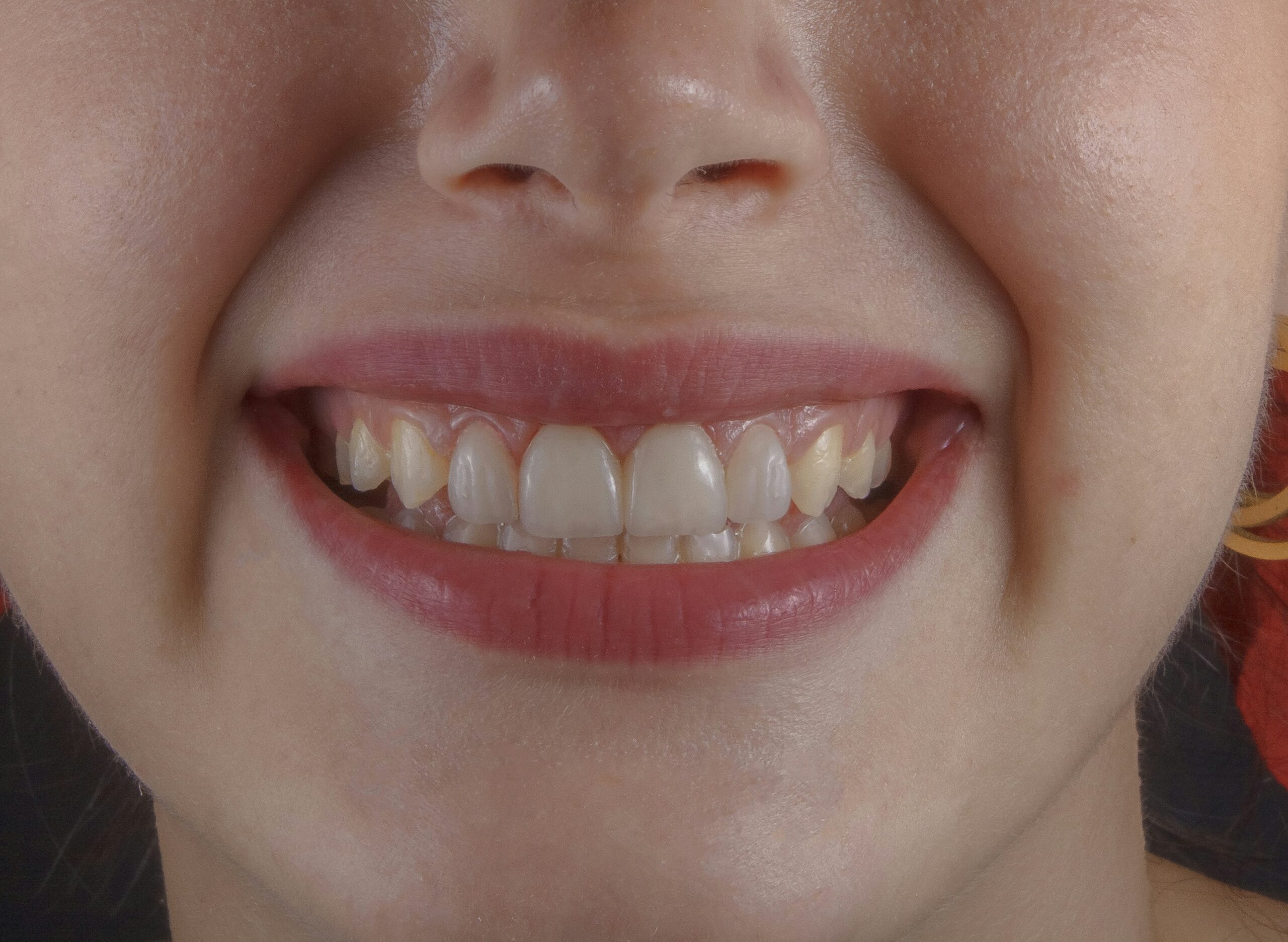

Gum Grafting Surgery: Restoring Receded Gums and Protecting Your Teeth

Gum Grafting Surgery in Montréal: A Guide to Restoring Receded Gums and Protecting Your Teeth

At a Glance

This guide is for Montréal residents dealing with gum recession, tooth sensitivity, or teeth that suddenly look longer than they used to. It explains what gum grafting is, why it matters, what the procedure and recovery involve, and how it protects your long-term oral health. Dr. Thomas Nguyen, a board-certified periodontist, provides this specialized care at his clinic on Rue Jean-Talon E in Montréal.

Why Are My Gums Receding?

You take a sip of cold water and feel a sharp twinge near the gumline. Or you notice in the mirror that one tooth looks a little longer than its neighbours. These small changes are easy to brush off, but they often point to gum recession, and they tend to cause real worry once you spot them.

Gum recession is one of the most common reasons patients are referred to a periodontist. It happens gradually, which is why many people don’t notice it until sensitivity sets in or the change becomes visible. The good news is that it’s both common and treatable. Once the gum tissue pulls away from a tooth, it won’t grow back on its own, but a gum graft can cover the exposed area, calm the sensitivity, and stop the process from getting worse.

Dr. Nguyen treats gum recession regularly here in Montréal, and the goal of this article is simple: to explain what’s happening, what your options are, and what to expect if a graft is recommended.

What Exactly Is a Gum Graft?

A gum graft is a surgical procedure that moves healthy gum tissue to an area where the gums have worn away, covering the exposed part of the tooth and rebuilding the gumline.

Think of it like re-sodding a bare patch on a lawn. The exposed soil is vulnerable to damage, but once new turf is laid over it, the area is protected and able to recover. A gum graft does the same thing for your tooth root, shielding a part of the tooth that was never meant to be exposed.

The tissue used for a graft can come from a few sources. Most often it’s taken from the roof of your own mouth (the palate), which integrates well because it’s your own tissue. In some cases, processed donor tissue can be used instead, which avoids a second surgical site. Dr. Nguyen will recommend the approach that fits your specific situation, the amount of recession involved, and your comfort.

Key Reasons to Consider Gum Grafting

Gum grafting isn’t only about appearance. Most of its benefits are protective, addressing problems that quietly progress when exposed roots are left untreated.

Relief from sensitivity. When the gum recedes, it exposes the tooth root, which doesn’t have the hard enamel coating that protects the rest of the tooth. That’s why hot coffee, cold water, or sweet foods can trigger sharp discomfort. A graft covers the root again and gives you a lasting barrier against that everyday pain.

Protection against decay and tooth loss. Exposed roots are softer and far more prone to decay than enamel-covered surfaces. Recession can also expose the tooth to bone loss over time, loosening it. Covering the root with a graft is a preventive step that helps keep the tooth stable and healthy.

A more balanced smile. Recession often makes teeth look longer and the gumline uneven. Restoring the tissue can bring back a more symmetrical, natural appearance, which many patients appreciate once the protective work is done.

Support for overall gum health. Recession frequently goes hand in hand with periodontal disease. Treating it is part of keeping the supporting structures around your teeth healthy and slowing the progression of gum problems.

What to Expect During the Procedure

Knowing what’s involved tends to ease most of the anxiety patients feel. The process is straightforward and done on an outpatient basis.

It begins with a consultation. Dr. Nguyen examines your gums, measures how much recession has occurred, and reviews the cause, whether that’s aggressive brushing, grinding, genetics, or gum disease. This step matters, because addressing the underlying cause is what keeps recession from returning. He’ll then walk you through which approach suits your case.

The surgery itself is usually performed under local anesthesia, so the area is fully numb and you stay awake and comfortable. Most procedures take roughly one to two hours, depending on how many teeth are being treated. In simple terms, Dr. Nguyen prepares the area around the exposed root, positions the graft tissue, and secures it in place with fine sutures so it can heal and integrate.

Are There Less Invasive Options?

For patients with mild to moderate recession, a minimally invasive approach called the Pinhole Surgical Technique (PST) is sometimes an option. Instead of cutting and suturing donor tissue, the periodontist makes a tiny entry point and gently repositions your existing gum tissue over the exposed root, stabilizing it with small collagen strips. Because there are no incisions or sutures, recovery is often quicker.

The Pinhole Surgical Technique works best when the gum tissue is still pliable enough to be moved, and it isn’t suitable for every case (PST overview🔗). The table below compares the two approaches at a glance.

Aspect Traditional Gum Graft Pinhole Technique (PST)
Incisions & sutures Required None
Tissue source Palate or donor tissue Your existing gum tissue
Best suited for Mild to severe recession Mild to moderate recession
Typical recovery About 1–2 weeks Often a few days
Teeth per session Usually 1–2 Multiple possible

Whether either option is right for you depends entirely on your individual case, which is something Dr. Nguyen will assess during your consultation.

Recovery and Aftercare

Healing after a gum graft is usually smoother than patients expect, especially when post-operative instructions are followed closely.

In the first few days, some swelling and mild discomfort are normal, and these are typically managed well with over-the-counter pain relief. You’ll likely be given a special antimicrobial rinse to keep the area clean, and you’ll want to stick to soft, cool foods while the graft settles. Avoid disturbing the surgical site with vigorous brushing or chewing on that side.

Over the following couple of weeks, the new tissue begins to integrate with the surrounding gum. If non-dissolving sutures were used, they’ll be removed at a follow-up visit. Most people return to office work within a day or two, though Dr. Nguyen may advise holding off on strenuous activity a little longer.

Long-term, the key to protecting your results is gentle, consistent care. A soft-bristled brush, careful flossing, and regular checkups all help maintain the graft and guard against future recession. If overly hard brushing contributed to the problem, your hygienist can show you a gentler technique.

Understanding the Cost in Québec

It’s natural to wonder about cost, and while exact figures depend on your specific case, a few general points apply. The total depends largely on how many teeth need treatment and the complexity involved. A single-tooth graft is a simpler procedure than one covering several recession sites.

Because gum grafting is a surgical periodontal procedure, it’s often partially covered by private dental insurance. Coverage varies between plans, so it’s worth checking your specific benefits, and our team can help you understand what your provider may cover. It helps to think of a graft as an investment in keeping your natural teeth, since untreated recession can eventually lead to far more involved and costly treatments like extractions or implants.

Expert Periodontal Care in Montréal

Gum grafting is a specialized procedure, and seeing a periodontist who performs it regularly makes a real difference in both comfort and outcome. Dr. Thomas Nguyen is a board-certified periodontist focused on this kind of care.

The clinic is conveniently located at 2502 Rue Jean-Talon E, serving patients from across the city, including Rosemont–La Petite-Patrie, Villeray–Saint-Michel–Parc-Extension, and the surrounding neighbourhoods. Having access to specialized periodontal treatment in Montreal🔗 means you can address gum recession early, before it progresses, and you can learn more about gum recession itself through the Canadian Dental Association🔗.

Frequently Asked Questions

Q: Is gum grafting painful? A: The procedure itself is done under local anesthesia, so you shouldn’t feel pain during it. Afterward, most patients experience only mild discomfort and some swelling, which is usually well managed with over-the-counter pain relief and the rinse provided.

Q: How long does the surgery take? A: A typical gum graft takes about one to two hours, depending on how many teeth are being treated and the complexity of the case.

Q: Will my insurance cover a gum graft in Montréal? A: As a surgical periodontal procedure, gum grafting is sometimes partially covered by private dental plans, though coverage varies. It’s best to check directly with your provider, and our office can help you with the details.

Q: Are there alternatives to a traditional gum graft? A: For milder cases, options may include the Pinhole Surgical Technique or, when sensitivity is the only concern, desensitizing treatments and bonding agents. The right choice depends on the severity and cause of your recession, which Dr. Nguyen will assess at your consultation.

Q: How soon can I return to normal activities? A: Most patients return to desk work within a day or two. You’ll want to ease back into strenuous exercise and follow the soft-food guidance during the early healing period.

Q: Can receded gums grow back without treatment? A: No. Once gum tissue recedes, it does not regenerate on its own, which is why a graft is the reliable way to cover the exposed root and protect the tooth.

Take the Next Step Toward Healthier Gums

If you’ve noticed sensitivity, longer-looking teeth, or an uneven gumline, the best time to act is before the recession progresses further. To explore your options and protect your smile, you can schedule a consultation🔗 with Dr. Thomas Nguyen at our Montréal office.

Scaling and Root Planing in Montreal: The Deep Clean Your Gums Need to Heal

At a Glance

  • Who this is for: Adults in Montreal who have been told they have gum disease, or who notice bleeding gums, bad breath, or receding gums.
  • What it answers: What scaling and root planing is, when you need it, what the procedure feels like, how recovery works, and how it differs from a regular cleaning.
  • Where to get care: Dr. Thomas Nguyen, a periodontist on Rue Jean-Talon E in Montreal, treats gum disease for patients across Saint-Léonard, Villeray, and Rosemont.

Scaling and root planing is a non-surgical deep cleaning that removes bacteria and hardened tartar from below the gumline to help your gums heal and reattach to your teeth.

Hearing “Gum Disease” Doesn’t Mean You’ve Failed

If your dentist mentioned gum disease or recommended a “deep cleaning,” it’s natural to feel a little uneasy. Many people assume it means they haven’t taken care of their teeth. The truth is that gum disease is extremely common, and it often develops quietly, without much pain to warn you.

In fact, recent Canadian health data found that about 83% of adults aged 20 to 79 show signs of bleeding gums, an early marker of inflammation. So if your gums bleed when you brush, you’re far from alone. The encouraging part is that when gum disease is caught and treated, the damage can often be stopped before it costs you teeth.

Scaling and root planing is one of the most effective first steps. It’s the treatment Dr. Thomas Nguyen, a periodontist in Montreal, uses every week to help patients get inflammation under control without surgery.

What Is Scaling and Root Planing?

Scaling and root planing is a deep cleaning treatment that targets the bacteria and tartar trapped below your gumline, where a regular cleaning can’t reach. It’s the standard non-surgical treatment for early to moderate gum disease.

The procedure has two parts. Scaling removes plaque and hardened tartar (calculus) from the tooth surface, both above and below the gumline. Root planing smooths the rough surfaces of the tooth roots, which removes lingering bacteria and gives your gums a clean surface to reattach to.

A helpful way to picture it: a regular cleaning washes the visible surface of your teeth, while scaling and root planing reaches under the gum to clear out what’s hidden, similar to cleaning out a splinter rather than just wiping the skin above it. When gum disease has progressed, that deeper cleaning becomes necessary because the bacteria have settled into pockets your toothbrush and floss simply can’t access.

Signs You May Need a Deep Cleaning

Gum disease starts as gingivitis, which is inflammation limited to the gums. At this stage it’s reversible. When it advances to periodontitis, the infection begins to damage the bone and tissue that hold your teeth in place, and that damage is harder to undo. The difference matters, because it’s the shift toward periodontitis that usually calls for scaling and root planing.

Watch for these warning signs:

  • Gums that bleed when you brush or floss
  • Persistent bad breath that doesn’t clear after brushing
  • Gums that look red, swollen, or tender
  • Receding gums that make your teeth look longer
  • A bad taste, or pus between teeth and gums
  • Teeth that feel loose or seem to be shifting

A key measurement your dental team uses is pocket depth, the space between your tooth and the gum that surrounds it. Healthy pockets are shallow, usually 1 to 3 millimetres. As gum disease progresses, those pockets deepen and trap more bacteria. When pockets reach a certain depth, a routine cleaning is no longer enough, and a deep cleaning is recommended.

Regular Cleaning vs. Deep Cleaning

A lot of patients wonder why they can’t just book a normal cleaning. The two procedures serve different purposes, and the table below shows where they part ways.

AspectRegular CleaningScaling and Root Planing
PurposePreventive maintenanceTreatment for active gum disease
Target areaAbove the gumlineAbove and below the gumline
Tooth rootsNot addressedSmoothed to remove bacteria
AnesthesiaUsually not neededLocal numbing often used
Typical visitsOne appointmentOften two appointments

A regular cleaning keeps healthy gums healthy. A deep cleaning is a medically necessary treatment for gums that are already inflamed and infected.

What to Expect During the Procedure

The first step is always an exam. Dr. Nguyen measures your pocket depths and reviews X-rays to understand how far the disease has progressed and which areas need attention. This gives you a clear picture before anything begins.

For your comfort, the treated areas are usually numbed with a local anesthetic. Most patients feel pressure and vibration rather than pain. The cleaning itself uses a combination of ultrasonic instruments, which break up tartar with gentle vibration and water, and fine hand instruments that smooth the root surfaces.

Because thoroughness matters more than speed, the mouth is often treated in sections, frequently one half at a time across two visits. This keeps each appointment comfortable and lets the numbing stay focused on one area. Throughout the process, comfort is the priority, and you should always feel free to signal if you need a pause.

Why Scaling and Root Planing Is Worth It

The biggest benefit is stopping gum disease before it takes your teeth. By clearing out the bacteria living in deep pockets, the treatment calms inflammation, reduces bleeding, and gives your gums the chance to tighten back around your teeth. This helps protect the bone that anchors them in place.

There’s a bigger picture too. Research has found a strong association between gum disease and conditions like heart disease and diabetes, largely through chronic inflammation. While researchers are careful to separate association from direct cause, the takeaway is consistent: caring for your gums is part of caring for your overall health. Treating active infection early is a practical way to lower that ongoing inflammatory burden.

Scaling and root planing also tends to be far less involved than what’s needed later if gum disease is left to advance, such as gum surgery or replacing lost teeth. Acting early usually means a simpler, less costly path.

Recovery and Aftercare

Recovery from a deep cleaning is usually mild and short. It’s normal for your teeth to feel sensitive to hot and cold for a few days, and your gums may be a little tender as they heal. Most people are back to their routine quickly.

A few simple habits make healing smoother:

  • Be gentle. Brush with a soft-bristled brush using light, circular motions, and consider a desensitizing toothpaste if your teeth feel reactive.
  • Rinse with salt water. Mix about a teaspoon of salt in warm water and rinse a few times a day to soothe the gums. Skip alcohol-based mouthwashes while you heal.
  • Eat soft, lukewarm foods for the first day or two, and avoid hard, crunchy, spicy, or very hot and cold items.
  • Wait about a day to floss the treated areas, then resume gently.
  • Hold off on smoking and strenuous exercise, since both slow healing.

For discomfort, an over-the-counter pain reliever such as acetaminophen or ibuprofen is usually enough, as long as it’s approved by your provider. If you were numbed, wait until the anesthetic fully wears off before eating so you don’t accidentally bite your cheek or tongue.

Cost and Insurance in Quebec

Scaling and root planing generally costs more than a routine cleaning because it takes more time, requires anesthesia, and treats your mouth section by section. Costs vary based on how many areas need treatment and how deep the pockets are. Still, it’s almost always less involved and less expensive than the surgical or restorative treatments needed once gum disease is allowed to advance.

Because this is a treatment for an active infection rather than a cosmetic service, many dental insurance plans in Quebec provide coverage for it. The specifics depend on your individual plan, so it’s worth confirming your details before treatment. Our office can help you understand what to expect, and you’re welcome to contact our office with questions.

Serving Patients Across Montreal

Dr. Nguyen’s clinic sits at 2502 Rue Jean-Talon E, a busy and well-connected stretch of the east end. The location is easy to reach by car and is served by several bus routes running along Jean-Talon, including the 32, 131, 136, and 141. The Jean-Talon metro station on the Blue Line connects the area to the wider transit network.

The clinic is a convenient choice for patients across Saint-Léonard, Villeray, Rosemont, and the surrounding neighbourhoods, including those who know the area for Little Italy and the nearby Jean-Talon Market. If you’ve been referred to a periodontist in Montreal or you’re researching after noticing symptoms, having a specialist close to home makes ongoing treatment and maintenance far easier to keep up with.

Frequently Asked Questions

Q: Is scaling and root planing painful?

A: Most patients feel pressure and vibration rather than pain, especially since the area is usually numbed beforehand. Mild sensitivity afterward is normal and tends to settle within a few days.

Q: How long does the procedure take?

A: It depends on how many areas need treatment. Many patients have it done over two visits, with one half of the mouth treated at a time so each appointment stays comfortable.

Q: Can I go back to work afterward?

A: Usually, yes. The treatment is non-surgical, and aside from some numbness while the anesthetic wears off and mild tenderness, most people return to their normal day.

Q: Will my gums grow back after treatment?

A: Gum tissue lost to advanced disease doesn’t regrow on its own, but the goal of treatment is to stop further damage and help the gums you have tighten and reattach to clean root surfaces. Catching it early protects more of your gum and bone.

Q: How often will I need this done?

A: After treatment, many patients move to a periodontal maintenance schedule, often every few months, so Dr. Nguyen can monitor pocket depths and keep inflammation from returning. Your exact schedule depends on how your gums respond.

Don’t Wait for It to Get Worse

Gum disease rarely announces itself loudly, which is exactly why it’s so often caught late. If your gums bleed, your breath won’t freshen, or your teeth feel like they’re shifting, those are signals worth acting on now rather than later.

The sooner active gum disease is treated, the more of your natural smile you can protect. To have your gums assessed and find out whether a deep cleaning is right for you, schedule a consultation with Dr. Thomas Nguyen in Montreal.